How Pearls Are Made: From Oyster to Finished Jewellery
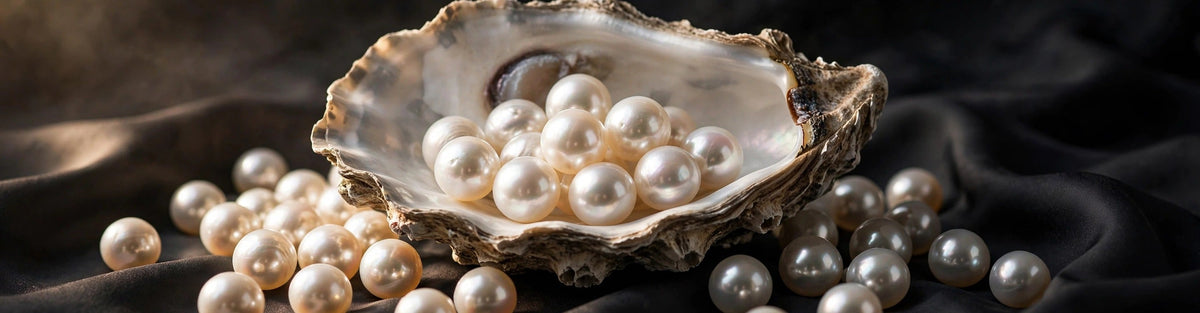
Every pearl in a Golden Rose Arts piece began as a tiny speck inside a living oyster — and spent years being wrapped in layer upon layer of shimmering nacre before it ever touched a jeweller's hands. Pearls are the only gemstones grown by a living creature, and understanding how they are made changes the way you look at them. Here is the full journey, from oyster to finished jewellery — and what it tells you about quality when you are choosing a piece.
What a Pearl Actually Is
A pearl is built from nacre (pronounced "nay-ker"), also called mother-of-pearl: microscopic crystals of aragonite bound together by an organic substance called conchiolin. The mollusc lays these down in thousands of translucent layers, and light bouncing between the layers is what creates a pearl's unmistakable glow. That glow has a name — lustre — and it is the single most important quality factor in any pearl.
Natural vs Cultured: The Key Distinction
Natural pearls form by accident, when an irritant slips inside a wild oyster on its own. They are extraordinarily rare — and priced accordingly. Cultured pearls begin the same way, except a trained technician deliberately starts the process. The oyster then does exactly the same work it would in the wild, coating the nucleus in nacre over several years. Virtually every pearl sold in jewellery today is cultured, and cultured pearls are 100% real pearls — genuine nacre, grown by a real oyster.
How Cultured Pearls Are Made, Step by Step
Whether the pearl ends up in a CA$69.99 necklace or a five-figure strand, the making process follows the same four stages:

- 1. Nucleation. A skilled technician gently opens the oyster or mussel and inserts a nucleus into its tissue. For saltwater pearls this is a small polished shell bead plus a sliver of mantle tissue; for freshwater pearls it is usually just the tissue — no bead at all, which is why freshwater pearls are almost entirely solid nacre.
- 2. Nacre coating. The mollusc is returned to the water — lakes and rivers for freshwater mussels, sheltered ocean bays for saltwater oysters — where it slowly coats the nucleus in nacre. Freshwater pearls typically grow for two to six years; the longer the growth period, the thicker the nacre and the deeper the lustre.
- 3. Harvest. At harvest time the molluscs are carefully opened and each pearl is removed by hand. A single freshwater mussel can yield dozens of pearls in one harvest; a saltwater oyster usually produces just one pearl per cycle — a big reason saltwater pearls cost more.
- 4. Sorting and matching. Harvested pearls are cleaned, then sorted by size, shape, colour, lustre and surface quality. Assembling one perfectly matched necklace strand can require pearls from hundreds of oysters — which is why a well-matched strand is a mark of genuine craftsmanship.
Freshwater vs Saltwater: How the Process Differs
- Freshwater pearls grow in mussels in lakes and rivers. Because nucleation uses tissue only, the pearl is nearly all nacre — exceptionally durable with a soft, deep glow — and each mussel yields many pearls, which keeps prices honest.
- Akoya pearls grow in saltwater oysters, one bead-nucleated pearl per oyster, harvested after about a year. They are prized for sharp, mirror-like lustre in smaller sizes.
- South Sea and Tahitian pearls grow in large saltwater oysters over two to four years and produce the largest pearls of all — white and gold South Sea pearls, and the dark Tahitian pearls.
Every pearl used at Golden Rose Arts is a genuine cultured freshwater pearl, hand-selected for thick nacre and high lustre. If you are curious how colours like pink, black and gold arise, our pearl colour guide explains what each shade means and who it suits.
From Loose Pearl to Finished Jewellery
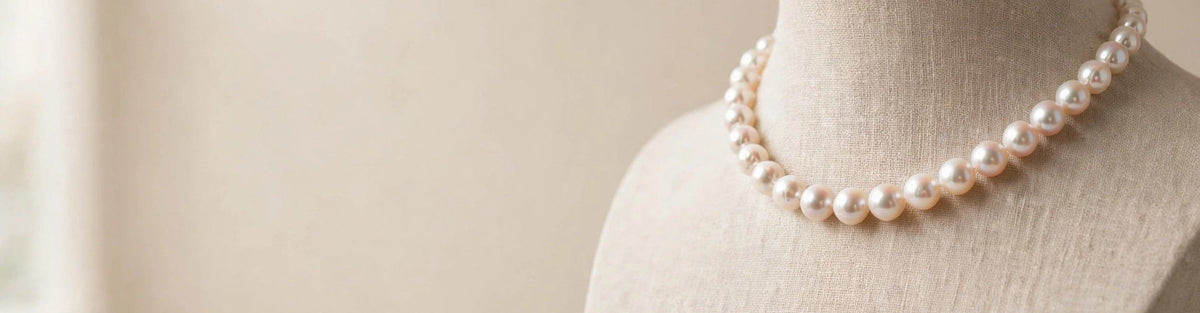
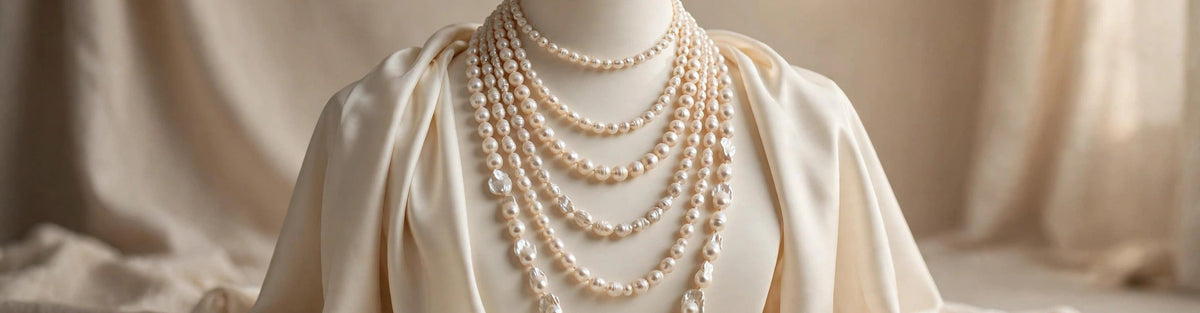
A beautiful loose pearl is only halfway to a piece of jewellery. Matched pearls are carefully drilled, then hand-knotted one by one onto silk thread — the traditional technique that keeps pearls from rubbing against each other and means the strand will not scatter if the thread ever breaks. Earring and pendant pearls are set by hand, and every piece is finished, inspected and polished in our Montreal workshop before it ships.

That hands-on finishing is the difference you can feel: our Essential Pearl Necklace (CA$69.99) is matched, knotted and finished the same careful way, and it comes in seven pearl colours. Every order arrives in gift-ready packaging with free shipping across Canada and the USA — a pearl gift with a real story behind it.
How to Spot a Well-Made Pearl
Now that you know how pearls are made, you can judge quality the way jewellers do:

- Lustre first. Hold the pearl under light: sharp, bright reflections mean thick, healthy nacre. Dull or chalky pearls were harvested too early.
- Clean surface. Tiny natural marks are normal — no two pearls are identical — but the fewer and smaller the blemishes, the finer the pearl.
- Shape and matching. Perfectly round pearls are rarest; in a strand or pair, check that every pearl matches its neighbours in size, colour and glow.
Frequently Asked Questions
Are cultured pearls real pearls?
Yes — completely. A cultured pearl is genuine nacre grown by a living oyster or mussel; the only human involvement is starting the process. Virtually all pearls sold in jewellery today are cultured, and every pearl at Golden Rose Arts is a real cultured freshwater pearl.
How long does it take to make a cultured pearl?
Freshwater cultured pearls typically grow for two to six years while the mussel deposits layer upon layer of nacre. Saltwater varieties differ by type — akoya pearls take about a year, while large South Sea pearls can take two to four years.
What is the difference between freshwater and saltwater pearls?
Freshwater pearls grow in mussels in lakes and rivers, use tissue-only nucleation so they are nearly all nacre, and each mussel yields many pearls — making them durable and accessibly priced. Saltwater pearls (akoya, South Sea, Tahitian) grow in ocean oysters, usually one pearl per oyster, and tend to cost more.
Where can I buy real freshwater pearl necklaces in Montreal?
Golden Rose Arts handcrafts every piece in our Montreal workshop using genuine cultured freshwater pearls. You can browse the full collection online with free shipping across Canada and the USA, and every piece arrives in gift-ready packaging.
How can I tell a high-quality pearl from a poor one?
Check lustre first — sharp, mirror-like reflections signal thick nacre, while dull pearls were harvested too early. Then look for a clean surface, good shape, and consistent matching across a strand or pair. Buying from a maker that selects and finishes each pearl by hand, as we do in our Montreal workshop, is the simplest quality shortcut.
Now you know the journey — see the destination. Browse our pearl necklace collection and pearl earring collection: every piece handcrafted in Montreal from genuine cultured freshwater pearls, shipped free and ready to gift.